(2).png)
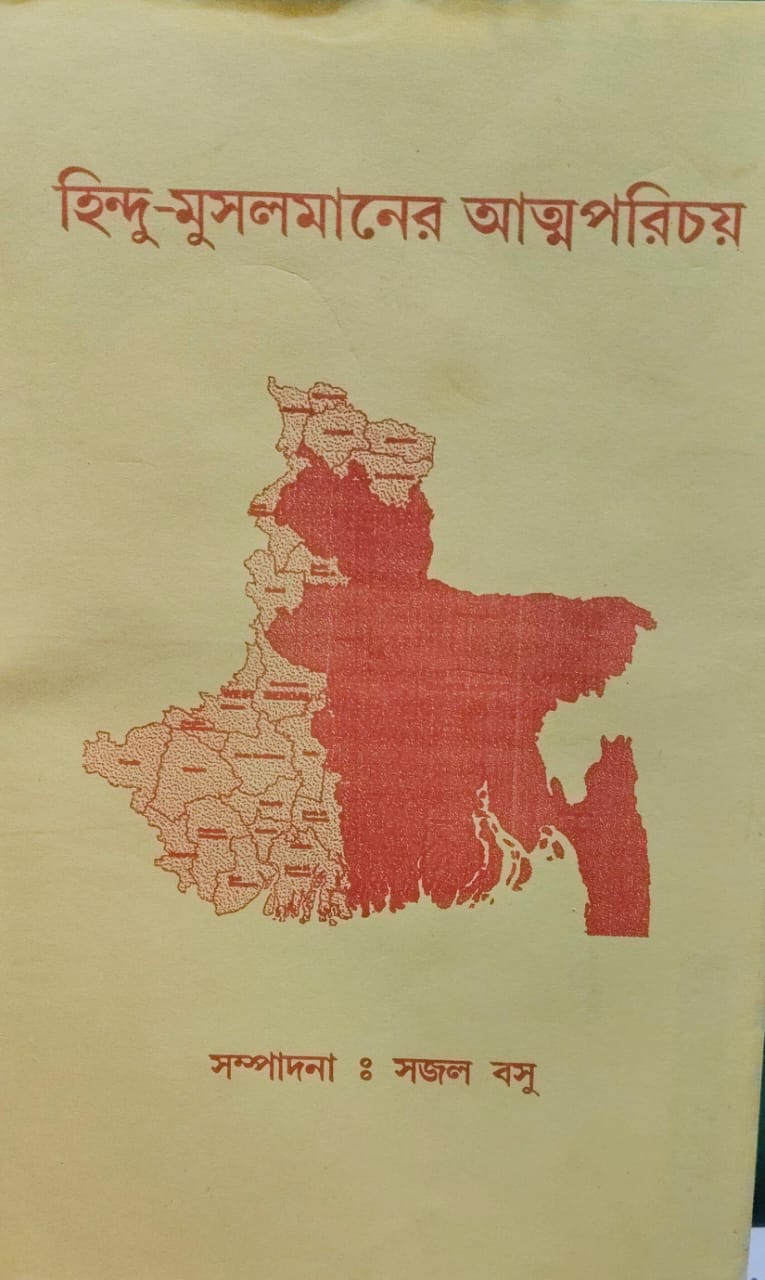
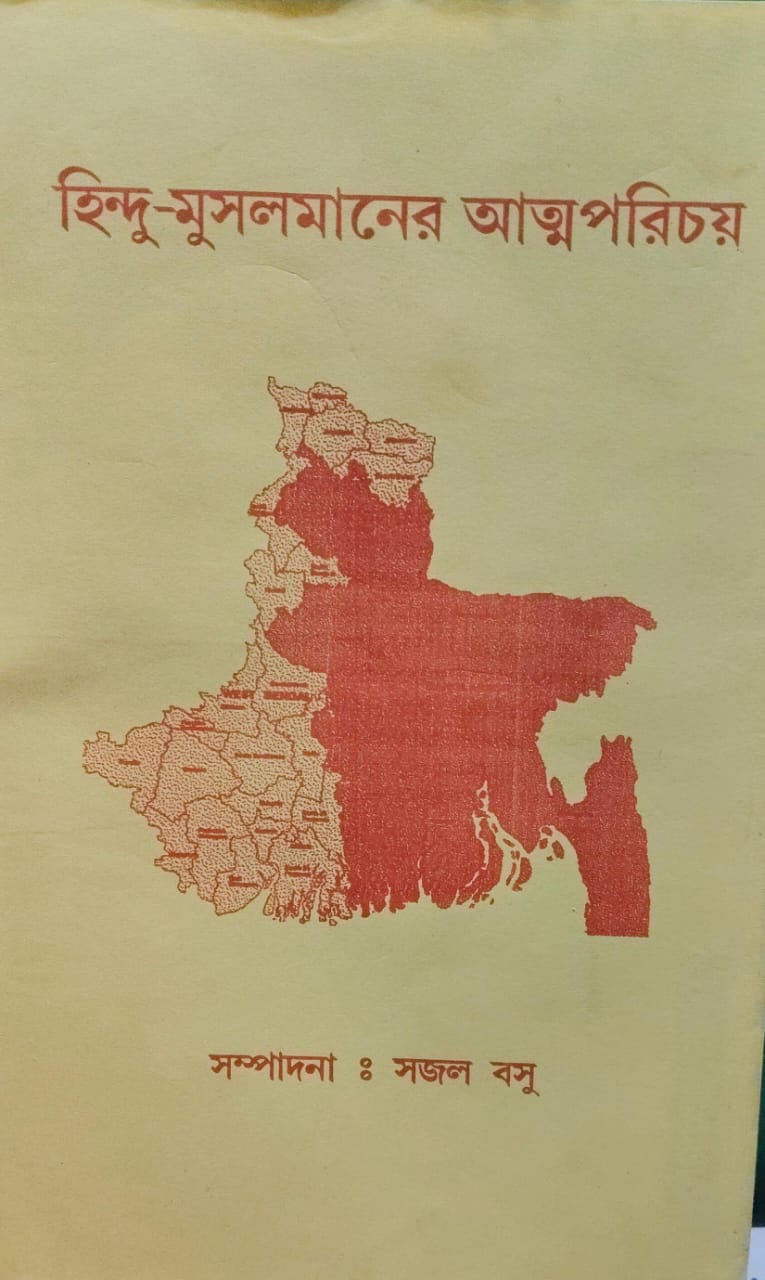
The partition of the country had a long-standing divide between two communities, a conflict of self-identity, and a division of history even before the actual partition. Read more
The partition of the country had a long-standing divide between two communities, a conflict of self-identity, and a division of history even before the actual partition. Despite coexistence, the distance did not lessen, and conflicts emerged. According to Sarat Chandra, there was an unwanted gap. Annadashankar said that just as bones and flesh joining do not make a human, Hindus and Muslims joining do not make a Bengali or an Indian. According to Rabindranath Tagore, communal conflicts exist in various forms worldwide, but in Bangladesh, it took a grotesque shape. The division of history between the two communities, the contrast of self-identity, and political conflicts have been analyzed by writers, historians, and sociologists to search for and evaluate the source of this unwanted gap. Writers on the British bias in united Bengal, the culprits of India's partition, the existential crisis of two groups, the contributions of Muslims in India, the nostalgic Muslim society.
| Specifications | Descriptions |
|---|---|
| No Specifications | |

Lorem, ipsum dolor sit amet consectetur adipisicing elit. Exercitationem, facere nesciunt doloremque nobis debitis sint?